Who Was Japan Captain at the 2010 FIFA World Cup?
Last Updated on: 22nd February 2026, 06:37 pm
The 2010 FIFA World Cup in South Africa marked a proud and defining chapter in Japanese football history. Entering the tournament with modest expectations, Japan surprised many by advancing to the Round of 16 and delivering disciplined, confident performances on the global stage. At the center of that campaign stood their captain, a calm and intelligent leader who played a crucial role in guiding the team through high-pressure moments.
Japan captain at the 2010 FIFA World Cup was Makoto Hasebe.
Japan Captain at the 2010 FIFA World Cup
Makoto Hasebe served as Japan captain during the 2010 FIFA World Cup in South Africa and played a vital role in the team’s success. As a disciplined central midfielder, the Japan captain provided stability, leadership, and tactical awareness throughout the tournament. His calm presence on the field helped organize the squad under coach Takeshi Okada, guiding Japan to an impressive Round of 16 finish and strengthening the nation’s reputation on the global stage.
Makoto Hasebe: The Leader in South Africa
Makoto Hasebe was more than just the player wearing the armband. He represented the mentality and discipline that defined Japan’s approach in 2010. Born on January 18, 1984, in Fujieda, Shizuoka, Hasebe developed into one of Japan’s most respected midfielders. By the time the World Cup arrived, he had already built a solid reputation in both domestic and European football.
In 2010, Hasebe was playing in Germany’s Bundesliga with VfL Wolfsburg. His experience in European football brought maturity and tactical awareness to the national team. Head coach Takeshi Okada trusted him to organize the midfield and maintain structure during intense matches.
Japan Journey in the 2010 World Cup
Japan was placed in Group E alongside the Netherlands, Denmark, and Cameroon. Many analysts expected Japan to struggle, but the team displayed discipline and unity throughout the group stage.
Victory Over Cameroon
Japan began its campaign with a 1–0 win against Cameroon. The match required patience and defensive organization. Hasebe’s leadership in midfield ensured that Japan remained compact and focused.
Tough Test Against the Netherlands
In their second group match, Japan faced the Netherlands, one of the tournament favorites. Although Japan lost 1–0, the team defended resolutely and limited scoring opportunities. Hasebe’s composure helped maintain belief despite the narrow defeat.
Decisive Win Against Denmark
Japan’s final group stage match against Denmark was crucial. A 3–1 victory secured their place in the Round of 16. The team combined defensive stability with clinical finishing, reflecting strong preparation and leadership on and off the field.
Leadership Style and Influence
Makoto Hasebe’s captaincy was defined by calm communication and tactical discipline. He was not the loudest player, but he led through intelligence and consistency. As a defensive midfielder, he played a central role in linking defense and attack.
Positional awareness
Work rate and stamina
Decision-making under pressure
Ability to organize teammates
Hasebe also maintained strong communication with coach Takeshi Okada, ensuring that instructions were clearly executed on the pitch.
Round of 16 and Legacy
Japan advanced to the Round of 16, where they faced Paraguay. The match ended in a 0–0 draw after extra time, and Japan was eliminated in a penalty shootout. Despite the heartbreak, reaching the knockout stage was considered a major achievement.
Hasebe’s leadership during the tournament earned widespread praise. His performance strengthened his reputation internationally and solidified his role as a long-term leader for Japan. He later became one of the most capped players in Japanese football history.
Impact on Japanese Football
The 2010 World Cup campaign restored confidence in Japan’s international competitiveness. Under Takeshi Okada’s structured system and Hasebe’s composed captaincy, the team demonstrated that discipline and teamwork could challenge stronger nations.
Makoto Hasebe’s role as Japan’s captain at the 2010 FIFA World Cup remains an important part of the country’s football story. His leadership set a standard for future captains and helped shape Japan’s identity on the global stage.
Who Was Japan Coach During the 2018 FIFA World Cup?
Japan 2018 FIFA World Cup campaign in Russia was led by Akira Nishino. Appointed just weeks before the tournament began, Nishino replaced Vahid Halilhodžić in a surprising late decision by the Japan Football Association.
Despite limited preparation time, Nishino guided Japan to the Round of 16. The team delivered a historic victory over Colombia and pushed Belgium to the limit in a dramatic 3–2 knockout match. His calm leadership and balanced tactical approach helped stabilize the squad during a challenging transition period.
Who Was Japan Manager at the 2022 FIFA World Cup?
At the 2022 FIFA World Cup in Qatar, Japan was managed by Hajime Moriyasu. Having taken charge of the national team after the 2018 tournament, Moriyasu brought continuity and long-term planning to the squad.
Under his leadership, Japan produced two of the biggest upsets of the tournament by defeating Germany and Spain in the group stage. The team once again reached the Round of 16, showing tactical growth, resilience, and confidence against elite European sides.
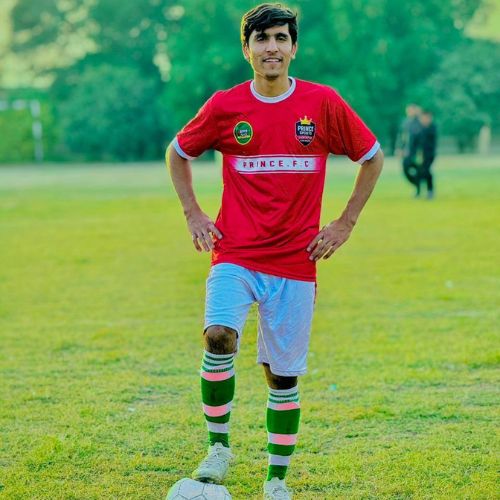
I’m Muhammad Abdullah, a passionate football player and lifelong fan of the game. Football has been a big part of my life, from playing on local grounds to closely following international tournaments like the FIFA World Cup. Through my experience as a player, I understand the importance of quality football gear, training, and match preparation.
On this website, I share honest insights about football equipment, World Cup updates, and the latest trends in the football world. My goal is to help players and fans make better decisions while enjoying the beautiful game with knowledge, passion, and authenticity.