What Is a Cleat Sharpener? Complete Guide for Athletes
Last Updated on: 16th June 2026, 09:53 pm
Cleats are essential for athletes who play sports like soccer, baseball, football, and golf. Over time, cleats wear down and lose their grip, affecting performance and safety. This is where a cleat sharpener becomes useful.
Many athletes and sports enthusiasts ask whether cleats can be sharpened and if a cleat sharpener really works. In this guide, we explain everything you need to know about cleat sharpeners, their uses, benefits, and whether they are worth using.
What Is a Cleat Sharpener?
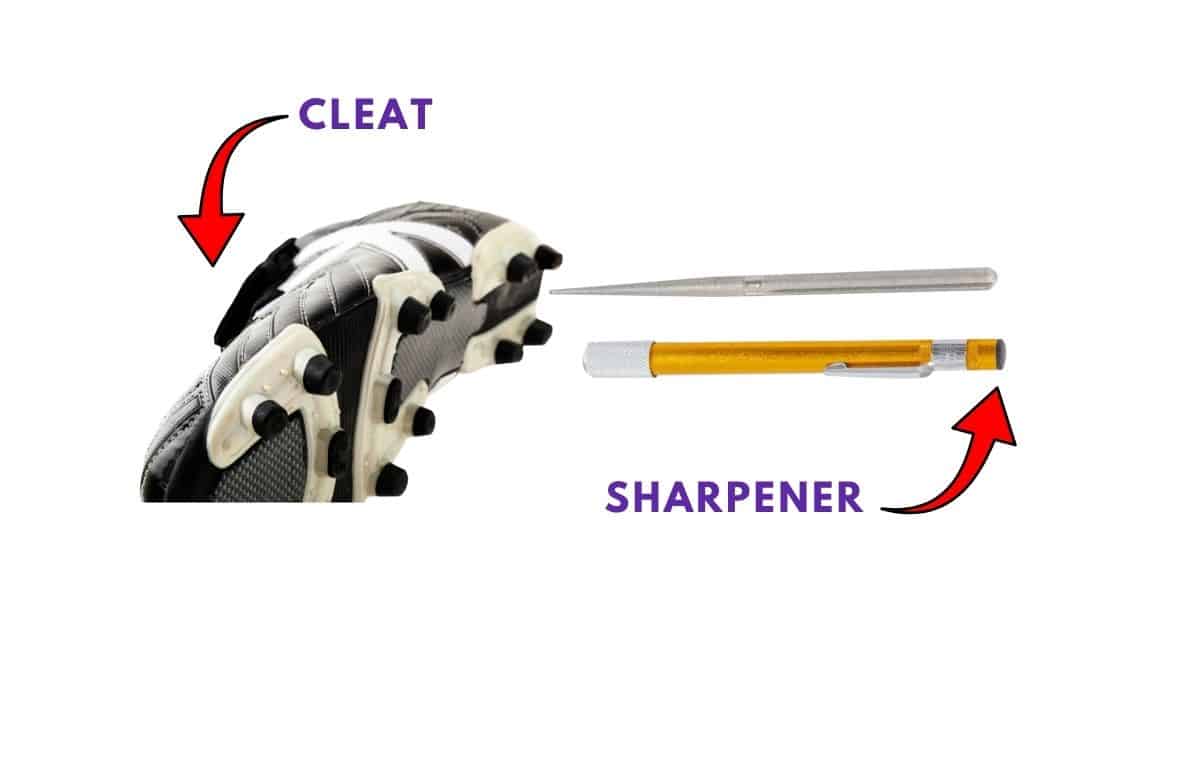
A cleat sharpener is a tool designed to restore or improve the edges and grip of certain types of cleats or studs. It is mainly used on metal cleats, spikes, or removable studs found in sports footwear.
The purpose of a cleat sharpener is to:
- Improve traction on the field
- Extend the life of cleats
- Maintain athletic performance
- Reduce slipping during play
However, not all cleats can be sharpened. Plastic and molded rubber cleats generally cannot be sharpened and usually need to be replaced once worn out.
How Does a Cleat Sharpener Work?
A cleat sharpener removes small amounts of material from the cleat’s edges to restore sharpness and grip. Similar to sharpening blades, the tool refines worn surfaces to create better traction.
The process typically includes:
- Cleaning dirt from the cleats.
- Inspecting for damage or cracks.
- Use the sharpener evenly on each cleat.
- Testing the grip after sharpening.
Proper sharpening helps athletes maintain consistent performance on various playing surfaces.
Which Sports Use Cleat Sharpeners?
Cleat sharpeners are most commonly associated with:
Soccer
Some soccer players use sharpeners for removable metal studs to maintain traction on wet fields.
Baseball and Softball
Metal baseball spikes may occasionally be sharpened or maintained to improve grip.
Football
Athletes using detachable studs may perform maintenance depending on league rules.
Golf
Certain golf spike systems can be cleaned or maintained, though modern golf shoes often use replaceable spikes.
Types of Cleat Sharpeners
There are several types of cleat sharpeners available:
Manual Cleat Sharpeners
These are handheld tools that require manual effort and are affordable for most athletes.
Electric Sharpeners
Electric models offer faster sharpening and more precise results but are generally more expensive.
Multi-Purpose Sports Tools
Some maintenance kits include sharpeners alongside brushes and stud wrenches.
Benefits of Using a Cleat Sharpener
Using a cleat sharpener offers several advantages:
- Better traction and stability
- Improved athletic performance
- Extended cleat lifespan
- Lower replacement costs
- Enhanced safety on slippery surfaces
Athletes who regularly maintain their footwear often experience more consistent performance.
Pros and Cons of Cleat Sharpeners
Pros
- Increases grip on the field
- Saves money on replacements
- Easy to use
- Portable and lightweight
- Supports regular cleat maintenance
Cons
- Not suitable for all cleat types
- Over-sharpening can damage studs
- Some leagues restrict modified cleats
- Requires proper technique
Can You Sharpen Plastic Cleats?
No, plastic or molded cleats usually cannot be sharpened effectively. Once the studs wear down significantly, replacing the shoes is generally the best solution.
Attempting to sharpen plastic cleats may weaken their structure and reduce durability.
Signs Your Cleats Need Maintenance
Look for these signs:
- Reduced grip during movement
- Visible wear on studs
- Increased slipping on grass or turf
- Uneven stud shapes
- Difficulty accelerating or changing direction
Regular inspection helps athletes avoid performance issues and injuries.
Cleat Maintenance Tips and Tricks
To maximize cleat lifespan:
- Clean cleats after every game.
- Remove mud and debris immediately.
- Store footwear in a dry place.
- Replace damaged studs promptly.
- Avoid walking on hard surfaces unnecessarily.
- Rotate between multiple pairs if possible.
Good maintenance often matters more than sharpening alone.
Cleat Sharpener vs Replacing Cleats
| Factor | Cleat Sharpener | New Cleats |
|---|---|---|
| Cost | Lower | Higher |
| Lifespan Extension | Yes | Complete reset |
| Performance Boost | Moderate | High |
| Suitable for All Cleats | No | Yes |
| Convenience | Quick | Requires purchase |
If cleats are severely worn or damaged, replacement is usually the better option.
Are Cleat Sharpeners Worth It?
A cleat sharpener can be valuable for athletes using removable metal studs or spikes. It helps maintain grip, improves safety, and may extend the life of sports footwear.
However, athletes with molded plastic cleats often gain little benefit from sharpening. Understanding your cleat type is essential before purchasing any sharpening tool.
Frequently Asked Questions (FAQs)
What is a cleat sharpener used for?
A cleat sharpener restores the edges of certain metal studs or spikes to improve traction and performance on playing surfaces.
Can soccer cleats be sharpened?
Only some soccer cleats with removable metal studs can be sharpened. Most molded plastic cleats cannot.
Does sharpening cleats improve performance?
Yes, properly maintained cleats may improve grip, stability, and player confidence during matches.
Can sharpening damage cleats?
Improper sharpening or over-sharpening can weaken studs and reduce durability.
Is it better to sharpen or replace cleats?
If the cleats are only slightly worn, sharpening may help. Severely damaged or heavily worn cleats should be replaced.
Final Words
A cleat sharpener is a useful maintenance tool for certain sports footwear, especially those with metal or removable studs. When used correctly, it can improve traction, extend cleat life, and enhance athletic performance.
However, not every cleat type supports sharpening. Understanding your footwear and following proper maintenance practices will help you get the best results while staying safe on the field.
My name is Muhammad Abdullah. I picked up a football at age 11 and never really put it down. At 16, I joined Prince Football Club in Duniyapur, where I still play today as a right forward. I started Footricks to share what I actually learned from years on the pitch not what looks good on a spec sheet. Whether you’re just starting out or leveling up this is for you.