Where Are Nike Shoes Made? Complete Manufacturing Guide (2026)
Last Updated on: 16th June 2026, 10:08 am
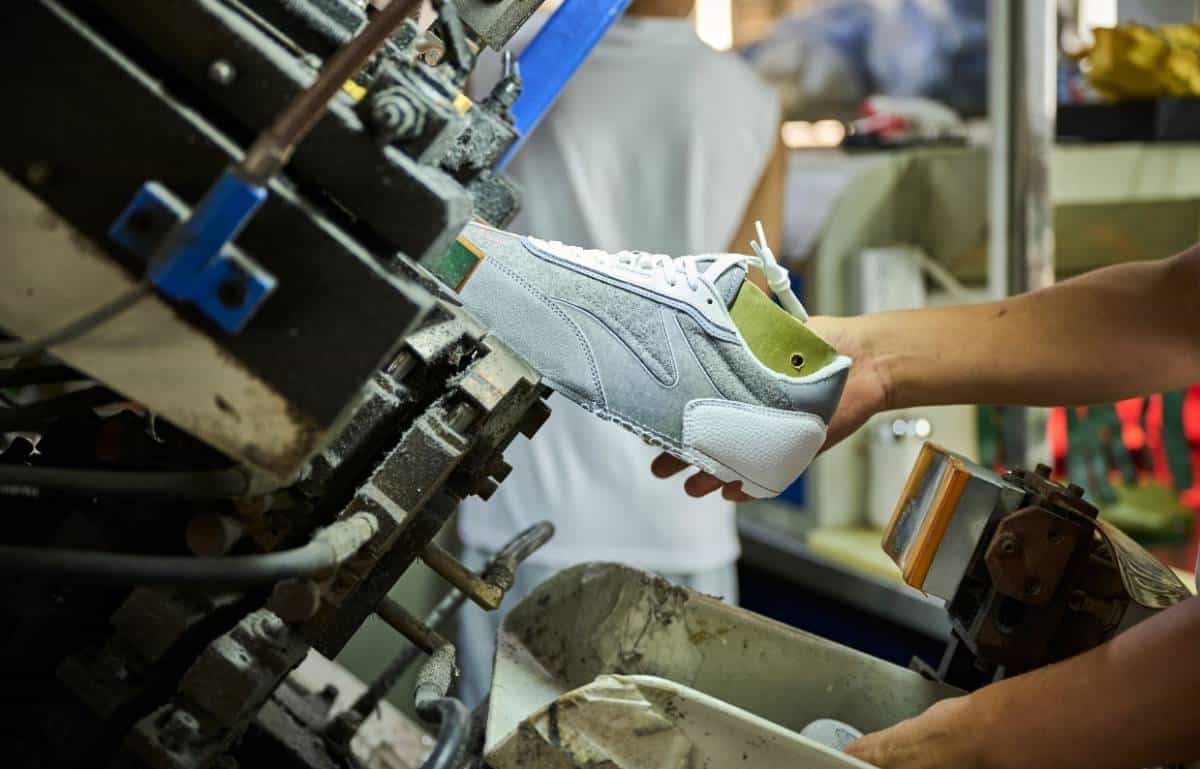
Nike is one of the world’s leading sportswear brands, but many consumers still ask: Where are Nike shoes made? Although Nike is an American company, most of its footwear and cleats are manufactured overseas through a global network of suppliers.
In 2026, Vietnam remains Nike’s largest manufacturing hub, followed by China and Indonesia. This guide explores where Nike products are made, how Nike’s supply chain works, and what it means for consumers.
Nike Current Manufacturing Footprint: The Numbers
Nike operates one of the largest supply chains in the world. Instead of owning factories, the company partners with hundreds of suppliers across multiple countries.
As of 2026, Nike sources products from dozens of countries and works with hundreds of contract factories that manufacture footwear, apparel, and equipment.
Top 5 Nike Manufacturing Countries (2026)
- Vietnam: The largest producer of Nike footwear.
- China: A key manufacturing and innovation hub.
- Indonesia: Major producer of athletic shoes.
- India: Growing manufacturing presence.
- Cambodia: An important apparel production center.
Vietnam alone accounts for a significant share of Nike footwear production, making it the company’s most important manufacturing location.
The Great Manufacturing Shift: Why Vietnam Became Nike’s #1 Producer
Over the last two decades, Nike has gradually shifted production away from China and expanded manufacturing in Vietnam.
Vietnam Rise to Manufacturing Dominance
Several factors helped Vietnam become Nike’s manufacturing powerhouse:
- Competitive labor costs
- Skilled workforce
- Strong export infrastructure
- Favorable trade agreements
- Stable manufacturing environment
Vietnam’s modern industrial zones and growing expertise in footwear manufacturing have made it the preferred destination for global brands.
China Evolving Role in Nike Manufacturing
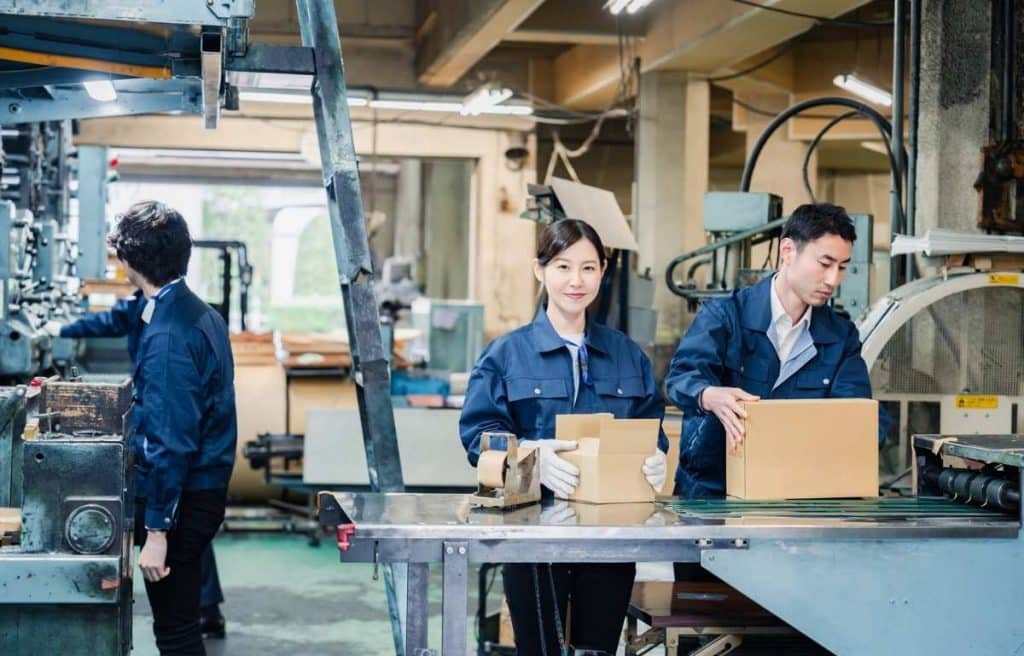
China remains extremely important to Nike, but its role has changed.
Instead of focusing mainly on mass production, China increasingly supports:
- Advanced manufacturing
- Research and development
- Automation technologies
- Premium product production
China’s sophisticated supply chain and infrastructure continue to make it valuable despite rising labor costs.
Nike Manufacturing Strategy: Beyond Footwear
Nike’s manufacturing strategy extends far beyond shoes.
Apparel Production Distribution
Nike apparel is produced in countries including:
- Vietnam
- China
- Cambodia
- Indonesia
- Sri Lanka
- India
These countries manufacture everything from jerseys and jackets to training gear and sportswear.
The Contract Manufacturing Model
Unlike some companies, Nike does not own most of its factories. Instead, it relies on independent manufacturers.
This model offers several advantages:
- Lower operational costs
- Greater flexibility
- Faster production scaling
- Reduced investment risk
The contract manufacturing approach allows Nike to adapt quickly to changes in consumer demand.
Where Are Nike Cleats Made in the USA?
Football players often ask whether Nike cleats are made in the United States.
The simple answer is: Most Nike cleats are not manufactured in the USA.
Are Any Nike Cleats Manufactured in the United States?
Nike performs significant design, research, and innovation work in the United States. However, mass production of football cleats occurs primarily overseas.
Most Nike football cleats sold in 2026 are manufactured in:
- Vietnam
- China
- Indonesia
Limited-edition products may occasionally involve U.S.-based production processes, but large-scale manufacturing remains international.
Where to Check the Country of Origin on Nike Cleats
Consumers can determine where their Nike cleats were manufactured by checking:
- Shoe tongue labels
- Product packaging
- Online product descriptions
Common labels include:
- Made in Vietnam
- Made in China
- Made in Indonesia
Where Are Soccer Metal Cleats Made?
Soccer metal cleats are mainly made in Asia in Nike’s contract factories. In 2026, production is mostly handled in countries like Vietnam, China, and Indonesia, where Nike manufactures most of its football boots. These cleats are designed and tested for professional performance, while manufacturing is done overseas to maintain quality and efficiency.
Regional Manufacturing Hubs: A Detailed Analysis
Vietnam: The Manufacturing Powerhouse
Vietnam offers numerous advantages:
- Competitive labor costs
- Large workforce
- Modern ports
- Established supplier networks
These factors have made Vietnam the heart of Nike’s footwear production.
China: The Innovation Center
China’s strengths include:
- Automation technologies
- Research facilities
- Advanced factories
- High-quality material suppliers
China remains critical for innovation and supply chain efficiency.
Indonesia: The Rising Star
Indonesia has decades of footwear manufacturing experience and continues expanding its role in Nike’s supply chain.
The country’s large labor force and manufacturing expertise make it an attractive destination for future growth.
Manufacturing Quality Standards and Processes
Consumers often wonder whether shoes made in different countries differ in quality.
In most cases, the answer is no.
Nike applies strict quality standards globally to ensure consistency.
Nike’s Global Quality Framework
Nike maintains product quality through:
- Factory audits
- Supplier evaluations
- Material inspections
- Product testing
Factories must meet Nike’s standards before producing products.
Sustainability Initiatives in Manufacturing
Nike has invested heavily in sustainable manufacturing practices.
Its goals include:
- Reducing carbon emissions
- Increasing recycled materials
- Conserving water resources
- Improving energy efficiency
Nike’s “Move to Zero” initiative represents its long-term sustainability strategy.
Economic Impact of Nike’s Manufacturing Decisions
Nike’s manufacturing network impacts millions of workers worldwide.
Global Economic Implications
Manufacturing partnerships create employment opportunities and contribute significantly to local economies.
Countries that host Nike suppliers often benefit from:
- Foreign investment
- Export growth
- Job creation
- Technology transfer
Consumer Price Implications
Global manufacturing helps Nike manage costs and maintain competitive prices.
However, several factors can affect retail pricing:
- Shipping costs
- Labor expenses
- Tariffs
- Currency fluctuations
Future Trends in Nike Manufacturing
The future of manufacturing is rapidly evolving.
Emerging Manufacturing Locations
Nike may continue diversifying production into countries such as:
- India
- Bangladesh
- Mexico
This diversification reduces supply chain risks.
Technology Integration Trends
Future factories increasingly rely on:
- Artificial intelligence
- Robotics
- Data analytics
- Smart manufacturing systems
These technologies improve efficiency while reducing waste.
How Nike Manufacturing Strategy Affects Consumers
Nike’s supply chain decisions directly affect customers.
Product Availability and Pricing
Efficient manufacturing ensures products reach markets quickly while helping maintain stable pricing.
Sustainability Impact
Consumers increasingly value environmentally responsible products.
As a result, Nike continues investing in sustainable materials and cleaner manufacturing processes.
Comparing Nike Strategy with Competitors
Nike is not alone in outsourcing production.
Industry Manufacturing Trends
Competitors such as Adidas and Puma also rely heavily on manufacturing partners across Asia.
Industry trends include:
- Automation
- Sustainability
- Supply chain diversification
- Digital manufacturing
Nike’Manufacturing Evolution: A Historical Deep Dive
The Early Years: From Oregon to Global Expansion (1964–1990s)
Nike began as Blue Ribbon Sports before becoming one of the world’s leading sportswear companies.
Initially, production was smaller and more localized. Over time, globalization allowed Nike to expand internationally.
The China Boom: Manufacturing Dominance (1990s–2010s)
China became Nike’s manufacturing center during the 1990s due to lower costs and rapid industrial growth.
The Great Migration: Understanding the Vietnam Shift
As labor costs in China increased, Nike gradually expanded into Vietnam, which eventually became its largest manufacturing hub.
Supply Chain Complexity: The Hidden Network
Nike’s supply chain includes:
- Raw material suppliers
- Component manufacturers
- Assembly factories
- Logistics providers
This global network enables Nike to serve millions of consumers worldwide.
Quality Control and Standards: The Nike Way
Nike implements strict quality controls to ensure products meet expectations regardless of manufacturing location.
These measures include:
- Factory inspections
- Material testing
- Performance evaluations
- Compliance audits
Sustainability Initiatives: Manufacturing for the Future
Nike continues investing in:
- Recycled polyester
- Sustainable packaging
- Renewable energy
- Waste reduction programs
These initiatives support long-term environmental goals.
Labor Practices and Social Responsibility
Nike has faced scrutiny regarding labor practices in the past. In response, the company has strengthened oversight and supplier standards.
Programs focus on:
- Worker safety
- Fair labor practices
- Ethical sourcing
- Transparency
Technology Integration and Industry 4.0
Modern manufacturing increasingly uses:
- AI-powered analytics
- Automation systems
- Digital twins
- Smart factories
These technologies improve productivity and quality.
Competitive Analysis: How Nike Compares to Industry Peers
Nike competes with global brands that use similar manufacturing strategies.
Its advantages include:
- Strong brand recognition
- Innovation leadership
- Global supply chain expertise
- Investment in sustainability
Economic and Geopolitical Factors Affecting Manufacturing
Global manufacturing is influenced by:
- Trade agreements
- Tariffs
- Political tensions
- Economic shifts
Nike continuously adapts its supply chain to reduce risk.
Future Trends and Predictions
By 2030, manufacturing may become more automated and sustainable.
Future trends include:
- Increased robotics
- Nearshoring strategies
- AI-driven production
- Greener materials
Consumer Impact and Market Dynamics
Consumers benefit from:
- Greater product availability
- Innovation
- Competitive pricing
However, global disruptions can sometimes affect inventory and shipping times.
Environmental and Social Impact Assessment
Nike continues working to balance business growth with environmental and social responsibility.
The company faces ongoing challenges related to:
- Carbon emissions
- Resource usage
- Labor standards
- Supply chain transparency
FAQs About Nike Manufacturing
Are Nike shoes made in China or Vietnam?
Both countries manufacture Nike shoes, but Vietnam currently produces the largest share of Nike footwear.
Why did Nike move manufacturing from China to Vietnam?
Lower labor costs, skilled workers, and favorable trade agreements encouraged Nike to expand production in Vietnam.
How many Nike factories are there worldwide?
Nike partners with hundreds of supplier factories across multiple countries.
Does Nike own its manufacturing factories?
No. Nike primarily uses contract manufacturers instead of owning factories.
Are Nike shoes made in the USA?
Most Nike shoes are manufactured overseas, though design and research operations remain largely U.S.-based.
Where are Nike football cleats made?
Most Nike football cleats are made in Vietnam, China, and Indonesia.
Conclusion: The Future of Nike Manufacturing
Nike’s manufacturing strategy reflects the realities of a global economy, with most products made outside the United States. Vietnam continues to dominate footwear production, while China remains important for innovation and advanced manufacturing.
As sustainability and automation reshape the industry, Nike is expected to further evolve its supply chain. Understanding where Nike shoes are made helps consumers make informed purchasing decisions in 2026 and beyond.

My name is Muhammad Abdullah. I picked up a football at age 11 and never really put it down. At 16, I joined Prince Football Club in Duniyapur, where I still play today as a right forward. I started Footricks to share what I actually learned from years on the pitch not what looks good on a spec sheet. Whether you’re just starting out or leveling up this is for you.